Why Does Seedance Not Support Realistic Person Generation?
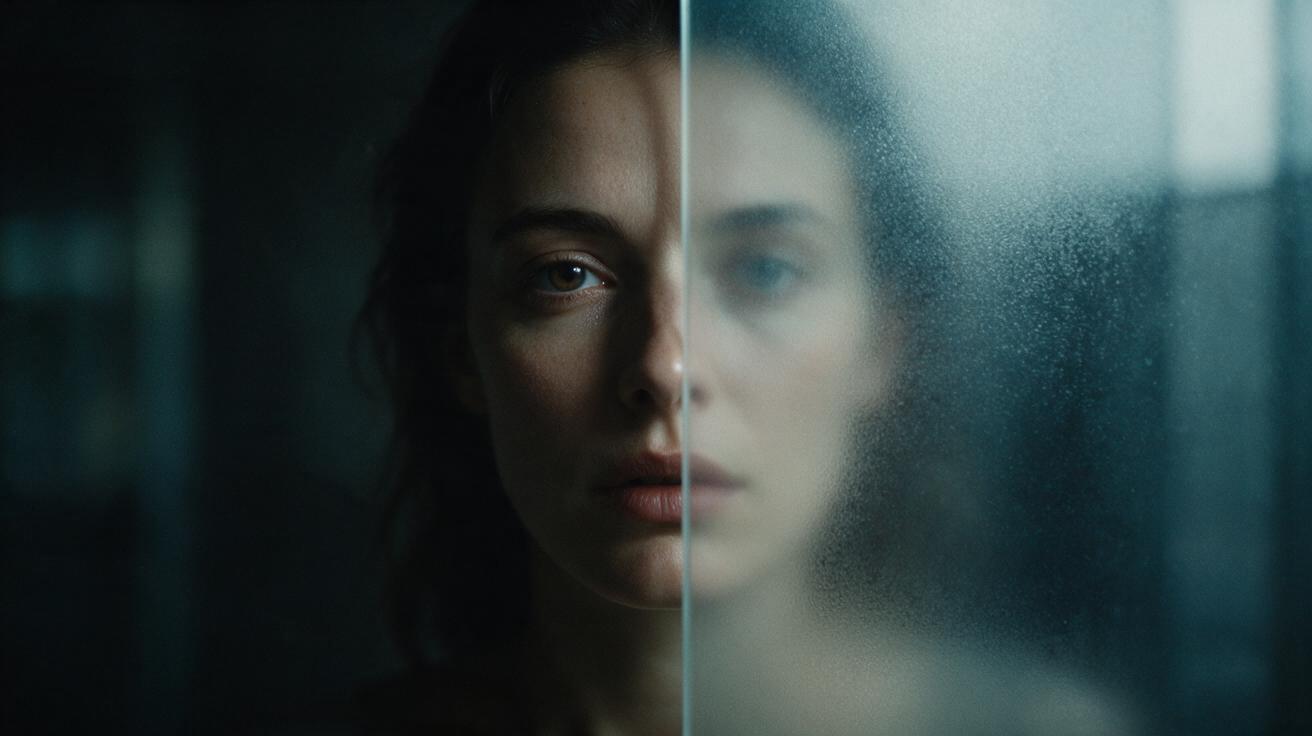
Why does Seedance not support realistic person generation? It does. The refusals come from a narrower rule about named celebrities, and here is where it sits.
Seedance 2.5 generates realistic people. If you have been asking why does Seedance not support realistic person generation, the refusal behind that question came from a narrower rule. Three things are blocked inside the model: named real celebrities, third-party intellectual property, and illegal content. Photorealistic humans are not on that list, and nothing has to be switched on to produce them. The distinction is worth pinning down, because one kind of refusal is fixed by a rewrite and the other is not fixable at all.
Why does Seedance not support realistic person generation
It does. Realistic human figures, faces included, are within what the model produces, and reference images are the mechanism for keeping one person recognizable from shot to shot inside a clip.
The confusion comes from how refusals are reported. Every safety refusal returns the same code, 80006, and the code does not say which rule fired or which stage of the request triggered it. A prompt describing an ordinary woman at a kitchen window and a prompt naming a film star both come back as 80006. From the outside those look like the same rejection, and the reasonable conclusion to draw is that people are the problem.
The three blocks written into the model
Three categories are refused inside the model, and no host, plan, channel or parameter removes them:
- named real celebrities
- third-party intellectual property
- illegal content
Nothing in that list describes photorealism, human anatomy or portraiture. The first entry is about identity, and specifically about identity attached to a name.
The line sits at the name
The celebrity block is written against named people, so the name is the part of the prompt doing the damage. A request that says a named actor is refused. A request describing height, build, hair, approximate age, wardrobe and expression is describing a person, not naming one, and description is not on the block list.
Third-party intellectual property behaves differently and catches more people out. It covers characters, titles and recognizable designs, so a prompt can trip it without naming anything: a costume described closely enough, a vehicle silhouette, a logo shape on a jacket. The name is not required for that block to fire.
Illegal content is the third entry and it is absolute. No phrasing, channel or setting moves it.
Reference images of real people
A request accepts up to 30 reference images in jpeg, png, webp, bmp, tiff, gif, heic or heif, each under 30 MB. They are supplied as public HTTP(S) URLs; data URIs are rejected across the platform. Reference images add nothing to the bill, which makes them the cheapest way to fix an appearance in place.
Every one of those files goes through the same check the prompt does. A photograph of a recognizable public figure refuses at the reference stage, and the returned code is the same 80006 you would get from a text prompt naming them. Photographs of people who are not public figures are not on the block list.
When a large set refuses and you cannot tell which file caused it, split the set in half and resubmit. Failed jobs are refunded in full, so the bisect costs time and nothing else.
Why a portrait prompt with no names still refuses
Three stages can raise 80006: the prompt, a reference file, and the generated video itself. The third one explains most refusals on prompts that read as completely ordinary. The text was accepted, the model produced a scene, and the check ran on that scene.
content_filter defaults to true. Setting it to false selects a less restrictive channel at the same price, and moderation still runs; the field routes the request rather than switching anything off. The older alias is nsfw_checker, and both names validate. So the field is worth one attempt on a borderline scene and is not a route around the three model-level blocks.
Keeping one person consistent across a 30-second clip
A single generation runs 4 to 30 seconds and holds several shots, which means one face may have to survive multiple cuts. Thirty reference images of the same person, shot from different angles and in different light, give the model more to hold on to than any amount of written description.
Once images are attached the prompt becomes optional, and its job changes from describing the person to directing what they do. Cut the descriptive sentences that repeat what the photographs already show, since two sources for the same detail is how a face drifts between shots.
Past 30 seconds a clip has to be chained from separate generations. The request schema exposes return_last_frame and seed, and the usual approach is to carry the final frame of one clip forward as a reference image for the next.
Frequently asked questions
Can Seedance 2.5 generate realistic human faces? Yes. Realistic people are supported and no setting needs changing. The restriction is on named real celebrities rather than on photorealism.
Why was my prompt refused when it named an actor? Named real celebrities are blocked inside the model and no host setting removes that. Remove the name and describe the appearance instead; description is not what the block is written against.
Does turning off the content filter allow real people?
Real people are already allowed. Setting content_filter to false selects a less restrictive channel and keeps moderation in place, and it does not affect the celebrity, intellectual property or illegal content blocks.
Can I use a photo of a real person as a reference image?
The file is checked the same way the prompt is. A photograph of a recognizable public figure refuses with 80006. Photographs of people who are not public figures are not on the block list, and up to 30 images can be attached to one request.
The short version
Why does Seedance not support realistic person generation is a question built on a refusal that says less than it appears to. The model generates realistic people. What it refuses is named real celebrities, third-party intellectual property and illegal content, all three of them checked against the prompt, against every reference file, and against the finished video. Drop the names, keep the description, load up to 30 reference images for consistency, and read 80006 as a pointer to one of three stages rather than a verdict on human subjects.